The Disappearance of a Gas Station Giant
For decades, Hess gas stations were a familiar sight across the East Coast, serving countless drivers with their distinctive green and white branding. However, observant motorists may have noticed these stations gradually vanishing from the landscape over the past decade. The story behind their disappearance reveals a significant shift in the retail fuel industry.
Marathon's Strategic Acquisition
The end of Hess gas stations began in 2014 when Marathon Petroleum made a strategic move to acquire Hess's retail operations. This acquisition represented a major consolidation in the gas station industry, as Marathon sought to expand its retail footprint across key markets where Hess had established a strong presence.
According to reports, the transition was swift and comprehensive. Marathon didn't simply rebrand a few locations—they systematically converted every Hess gas station in their newly acquired portfolio.
The Speedway Conversion
By 2016, the transformation was complete. All former Hess gas stations had been rebranded as Speedway locations, effectively erasing the Hess name from the retail fuel landscape. This conversion marked the end of an era for a brand that had built customer loyalty over many years of operation.
The Speedway rebrand brought with it new signage, updated store layouts, and different product offerings, fundamentally changing the customer experience at these locations. For longtime Hess customers, the familiar green and white stations were replaced with Speedway's red, white, and blue branding.
A Brand's Unexpected Survival
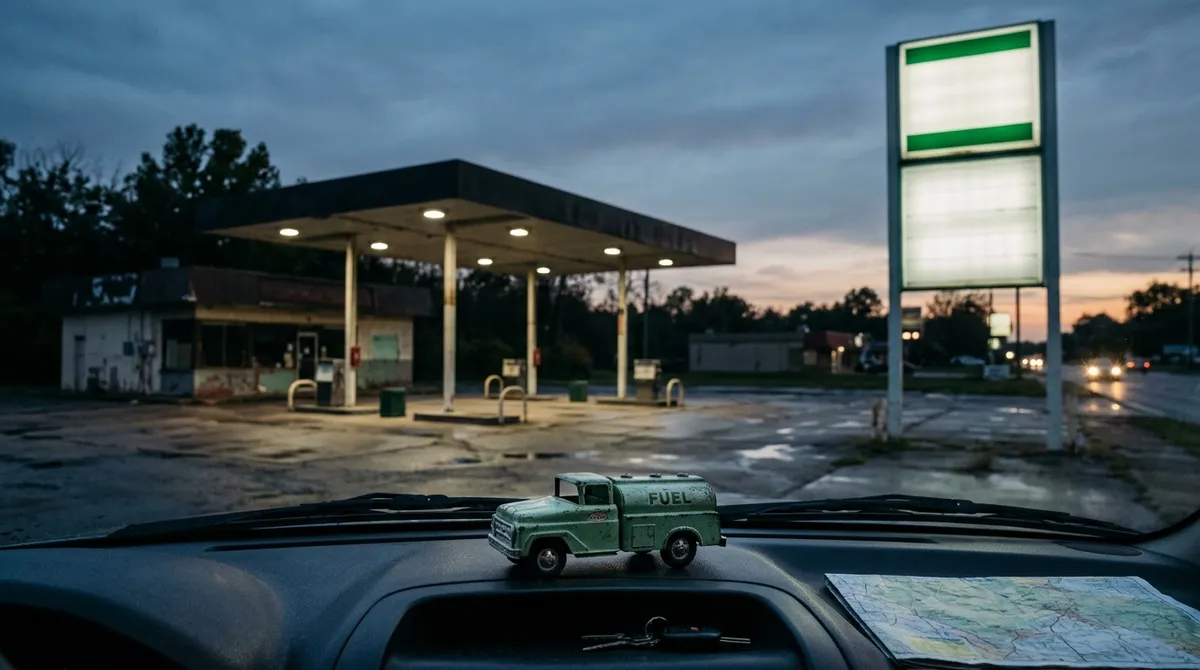
While Hess gas stations may have disappeared from street corners, the Hess name found an unexpected path to survival through its long-running holiday toy truck tradition. These collectible toy trucks have become a beloved holiday tradition for many families, allowing the Hess brand to maintain cultural relevance despite its absence from the retail fuel market.
The toy truck program demonstrates how a brand can transcend its original business model and find new life in unexpected areas. What began as a promotional item for gas station customers has evolved into a standalone collectible tradition that keeps the Hess name alive in popular culture.
Recent Developments and Renewed Relevance
The Hess story took another turn in 2025 when Chevron completed its acquisition of Hess Corporation. This major corporate move has brought renewed attention to the Hess name, even though it doesn't directly impact the retail gas station market where Hess once operated.
According to reports, this acquisition highlights how the energy sector continues to evolve through mergers and strategic partnerships, even as consumer-facing brands like the original Hess gas stations become part of industry history.
The Broader Industry Context
The transformation of Hess gas stations into Speedway locations reflects broader trends in the retail fuel industry, where consolidation and rebranding have become common strategies for major players. Companies often acquire competitors not just for their customer base, but for prime real estate locations and operational infrastructure.
This type of industry consolidation can benefit companies through economies of scale and streamlined operations, though it sometimes means the end of beloved local or regional brands that customers have grown attached to over the years.
Nostalgia and Brand Legacy
The disappearance of Hess gas stations taps into a broader phenomenon of nostalgia for defunct retail brands. Many consumers have fond memories of brands that no longer exist in their original form, and the Hess story resonates with anyone who has watched familiar businesses vanish from their communities.
According to reports, nostalgia for defunct retail brands remains strong among consumers, suggesting that the emotional connections people form with businesses can outlast the businesses themselves. The continued popularity of Hess toy trucks serves as a perfect example of how brand loyalty can persist even after the original business model has ended.
The Hess gas station story ultimately illustrates how rapidly the business landscape can change, while also showing how creative brand extensions—like the toy truck tradition—can give companies unexpected longevity in the cultural marketplace.