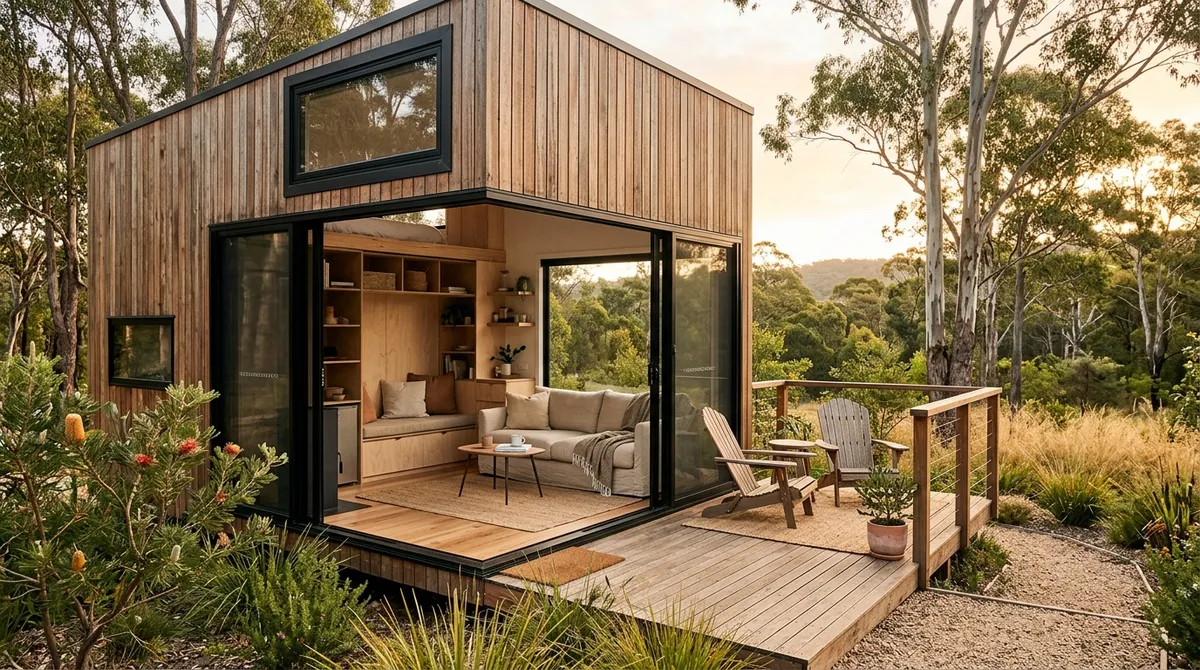
Compact Living Redefined
A remarkable Australian tiny house is challenging preconceptions about small-space living, according to reports, demonstrating how strategic design can deliver mansion-level comfort and functionality despite its compact footprint. The home showcases what's possible when thoughtful architectural choices meet innovative layout strategies.
Design Excellence in Miniature
What sets this tiny house apart is its masterful use of indoor-outdoor connectivity, creating a seamless flow that maximizes the perception of space. According to reports, the home employs clever design tricks that create the illusion of spaciousness while maintaining full functionality.
The structure prioritizes strategic layout decisions that enhance livability without compromising on style or ease of use. This approach addresses one of the biggest challenges in tiny house design: creating a space that feels comfortable for daily living rather than cramped or restrictive.
Rising Interest in Alternative Housing
The timing of this innovative design couldn't be more relevant. As housing costs continue to climb globally and sustainability concerns grow among consumers, interest in tiny house living has surged significantly. Real-world examples of well-designed small spaces are becoming increasingly valuable to audiences exploring alternative living solutions.
This Australian example provides concrete evidence that downsizing doesn't necessarily mean sacrificing comfort or functionality. The home demonstrates how proper planning and design execution can create spaces that rival traditional homes in terms of livability.
Practical Design Strategies
According to reports, the tiny house incorporates multiple design principles that contribute to its success. The layout emphasizes flow and multi-use zones, allowing spaces to serve multiple functions throughout the day. Storage solutions are cleverly integrated into the design, maximizing every available inch without creating visual clutter.
The indoor-outdoor connectivity plays a crucial role in expanding the perceived living space. By breaking down barriers between interior and exterior areas, the design creates a sense of openness that extends far beyond the physical walls of the structure.
Market Context and Implications
The success of this tiny house design comes at a time when traditional housing markets face unprecedented challenges. Rising property values and construction costs have made homeownership increasingly difficult for many, particularly younger generations entering the market.
Tiny houses represent one potential solution to these housing affordability challenges, but only when executed with the kind of thoughtful design demonstrated by this Australian example. Poor design can make small spaces feel restrictive and uncomfortable, defeating the purpose of alternative housing solutions.
Lessons for Small-Space Living
This tiny house offers valuable insights for anyone dealing with space constraints, whether in tiny houses, apartments, or traditional homes undergoing renovation. The design principles employed here—strategic flow, multi-functional spaces, integrated storage, and indoor-outdoor connectivity—can be adapted to various living situations.
The emphasis on creating comfort without sacrificing style demonstrates that downsizing doesn't require compromising on quality of life. Instead, it requires more intentional design choices and creative problem-solving.
Future of Alternative Housing
As sustainability concerns continue to influence housing choices and economic pressures make traditional homeownership less accessible, well-designed tiny houses like this Australian example may become increasingly important models for alternative living solutions.
The success of this design lies not just in its compact size, but in its ability to provide genuine comfort and functionality. This achievement could influence future tiny house designs and help establish higher standards for small-space living solutions in the growing alternative housing market.