Massachusetts Advances Connected Vehicle Technology
Massachusetts has officially launched a two-year Vehicle-to-Everything (V2X) pilot program, according to reports. This initiative represents the state's commitment to exploring advanced automotive communication technologies that could reshape how vehicles interact with infrastructure and each other.
Understanding V2X Technology
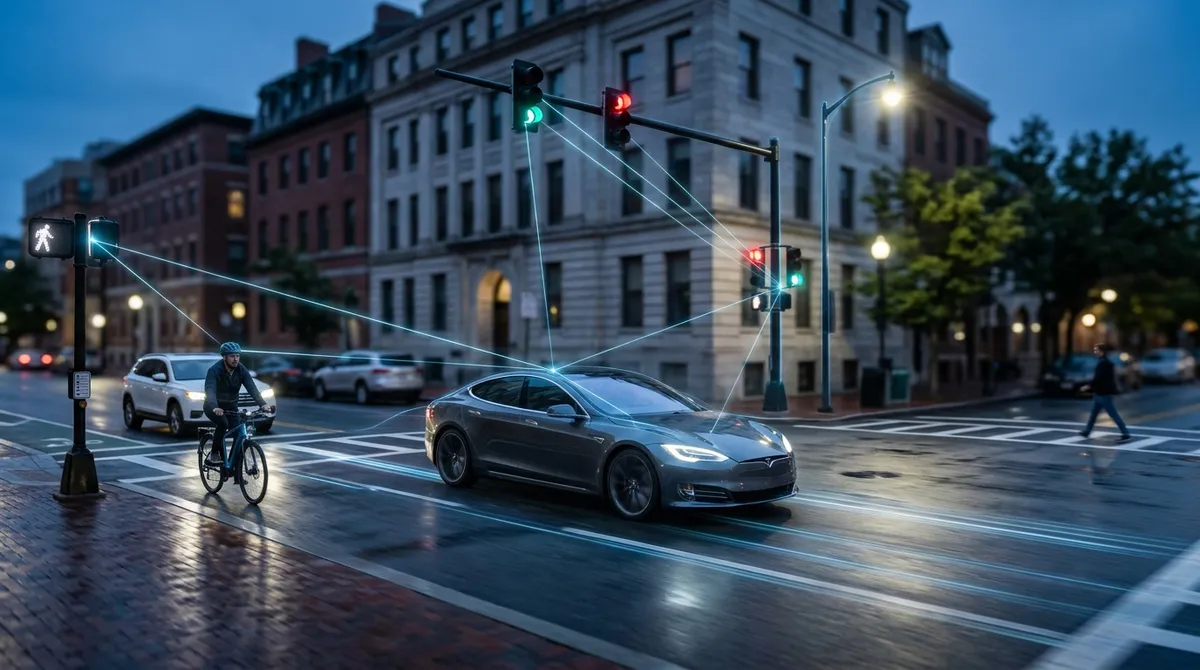
Vehicle-to-Everything (V2X) communication encompasses a range of technologies that allow vehicles to communicate with various elements of the transportation ecosystem. This includes vehicle-to-vehicle (V2V), vehicle-to-infrastructure (V2I), vehicle-to-pedestrian (V2P), and vehicle-to-network (V2N) communications.
The technology enables real-time data exchange that can enhance safety, reduce traffic congestion, and improve overall transportation efficiency. By allowing vehicles to share information about road conditions, traffic patterns, and potential hazards, V2X systems can help prevent accidents and optimize traffic flow.
Pilot Program Implications
The two-year timeframe for Massachusetts' V2X pilot program suggests a comprehensive approach to testing and evaluating the technology's effectiveness in real-world conditions. Pilot programs of this duration typically allow for thorough data collection across different seasons, traffic patterns, and use cases.
Such initiatives are crucial for understanding how V2X technology performs in various scenarios and weather conditions that are common in Massachusetts, from winter snow and ice to summer construction seasons.
Industry Context
V2X technology has been gaining momentum across the automotive industry as manufacturers and government agencies recognize its potential to improve road safety and traffic management. The technology is considered a stepping stone toward more advanced autonomous vehicle systems and smart city infrastructure.
Massachusetts joins other states and municipalities that have been exploring V2X implementations, contributing to a growing body of research and practical experience with connected vehicle technologies.
Potential Benefits
The successful implementation of V2X technology could bring numerous advantages to Massachusetts drivers and the broader transportation network. These may include reduced accident rates through improved hazard detection and communication, more efficient traffic flow through better coordination between vehicles and infrastructure, and enhanced emergency response capabilities.
For automotive enthusiasts, V2X technology represents an exciting development in how vehicles interact with their environment, potentially leading to more sophisticated driver assistance systems and laying groundwork for future autonomous vehicle capabilities.
Looking Ahead
As Massachusetts embarks on this two-year pilot program, the automotive industry will be watching closely for results and insights that could inform broader V2X deployment strategies. The data and experience gained from this initiative could influence how other states approach similar programs and how automotive manufacturers develop V2X-enabled vehicles.
The pilot program's outcomes may also provide valuable information for federal transportation policy and funding decisions related to connected vehicle infrastructure investments.