Major Safety Recall Affects Nearly 100,000 Vehicles
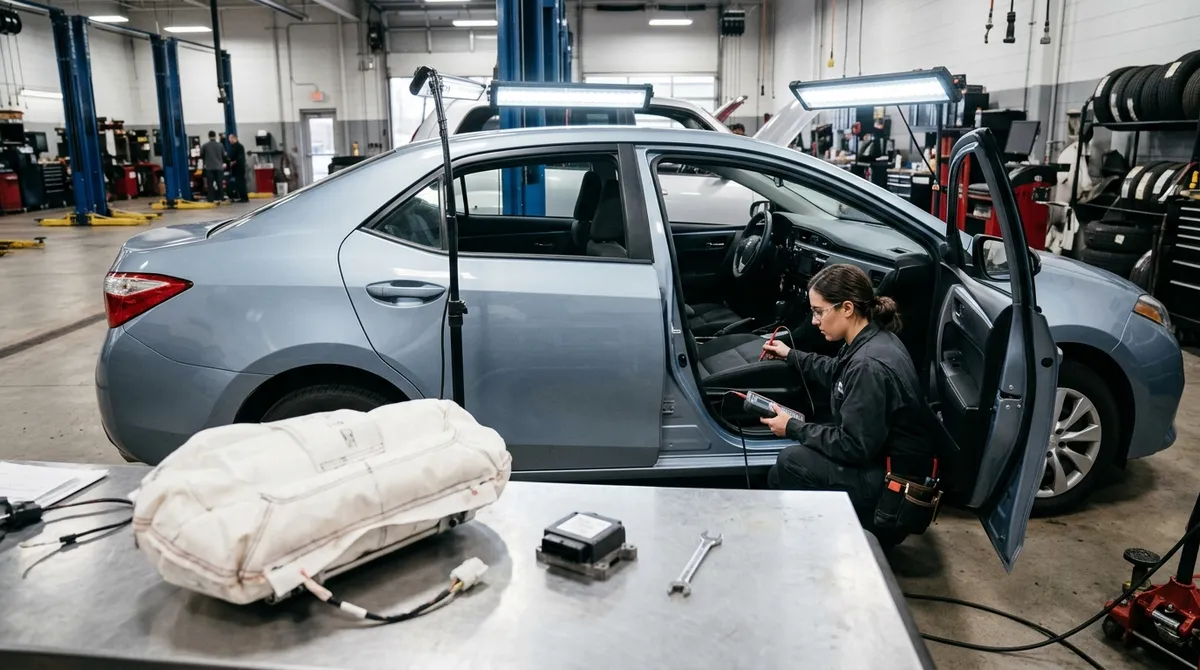
Honda has announced a significant recall affecting nearly 99,000 vehicles from model years 2016 through 2026 due to a potentially dangerous defect in the front passenger seat weight sensor. According to reports, the faulty sensor may crack and short-circuit, creating a risk of unintended airbag deployment during crashes.
The recall encompasses multiple Honda and Acura models spanning a decade of production, highlighting the widespread nature of this safety concern. Honda dealers will replace the defective sensors at no cost to vehicle owners.
Third Major Airbag Recall Raises Concerns
This latest recall marks Honda's third major airbag-related safety issue in recent months, according to reports, suggesting a troubling pattern that could significantly impact consumer confidence in the brand. The repeated airbag problems may also attract increased regulatory scrutiny from safety authorities.
The timing of this recall is particularly challenging for Honda, which is already facing significant business pressures. According to reports, the automaker recently experienced its first annual loss in nearly 70 years and has been forced to cancel planned electric vehicle models.
Understanding the Safety Risk
The defect centers on the front passenger seat weight sensor system, a critical safety component designed to determine whether an airbag should deploy based on occupant presence and weight. When this sensor cracks and short-circuits, it can malfunction during a crash scenario, potentially causing the airbag to deploy unexpectedly.
This type of unintended deployment poses serious risks to vehicle occupants, as airbags are designed to activate under specific crash conditions. Improper deployment timing or circumstances could result in injuries that might otherwise be prevented.
What Vehicle Owners Should Do
Owners of Honda and Acura vehicles from the affected model years should take immediate action to determine if their vehicle is included in the recall. According to reports, dealers will handle the sensor replacement process at no charge to customers.
Vehicle owners can typically check recall status through Honda's official website or by contacting their local dealership with their vehicle identification number (VIN). Given the safety-critical nature of this defect, prompt action is recommended for all potentially affected vehicles.
Industry Impact and Consumer Trust
This recall adds to growing concerns about automotive quality control across the industry. The repeated airbag-related issues at Honda specifically raise questions about the company's quality assurance processes and testing procedures for safety-critical components.
For Honda, maintaining consumer trust becomes increasingly challenging as these safety recalls accumulate. The company's reputation for reliability, built over decades, faces potential erosion as customers may question the dependability of both current and future Honda products.
Looking Forward
As Honda works to address this latest safety concern, the automotive industry continues to grapple with increasingly complex vehicle systems that require rigorous testing and quality control. The integration of electronic sensors and safety systems, while advancing vehicle safety overall, also introduces new potential failure points that manufacturers must carefully monitor.
This recall serves as a reminder for all vehicle owners to stay informed about safety notices and recalls affecting their vehicles, regardless of manufacturer. Regular communication with dealerships and attention to recall announcements can help ensure that safety-critical repairs are completed promptly.