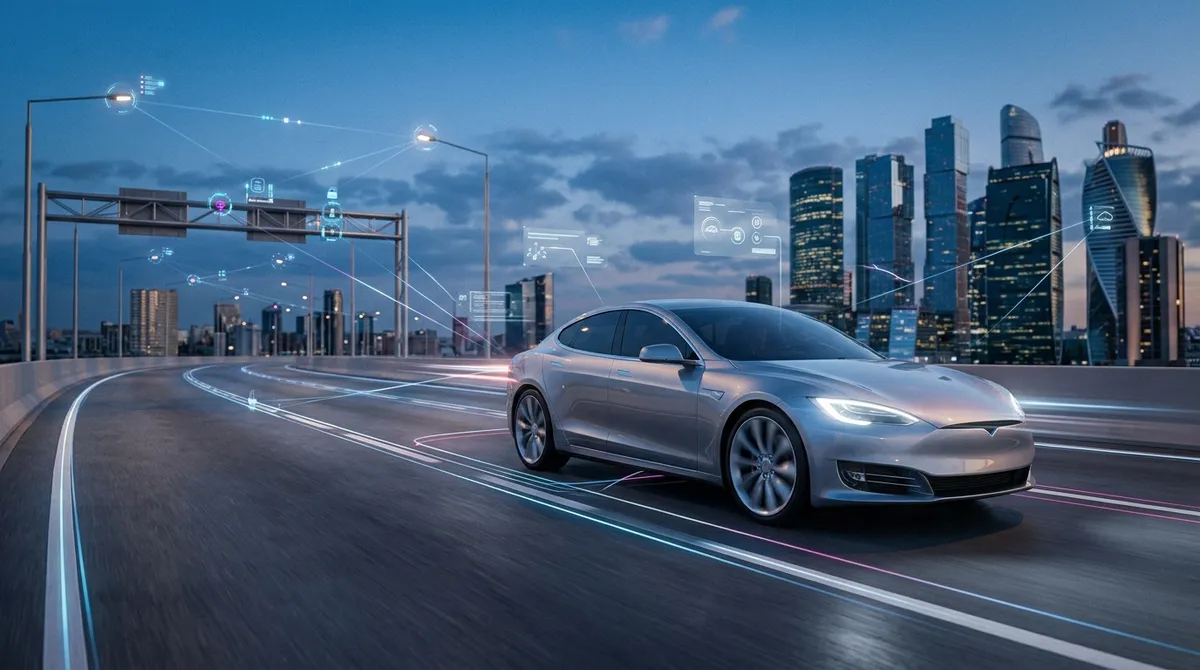
Major Players Drive Connected Car Innovation
The automotive industry continues to evolve rapidly as connected car technology takes center stage, with several major manufacturers and technology companies making significant strides according to recent reports. The latest updates showcase developments from Mercedes-Benz, Hyundai Mobis, Sibros, Honda, Nvidia, and the Insurance Institute for Highway Safety (IIHS).
Mercedes-Benz Advances Connectivity
Mercedes-Benz remains at the forefront of connected vehicle technology, according to industry reports. The German luxury automaker continues to integrate advanced connectivity features into their vehicle lineup, though specific details about their latest initiatives were not elaborated upon in the available information.
Hyundai Mobis and Technology Partnerships
Hyundai Mobis, the parts and technology subsidiary of Hyundai Motor Group, appears to be playing a significant role in connected car developments. The company's involvement suggests continued investment in automotive technology solutions, though the specific nature of their latest contributions remains to be detailed.
Sibros, a technology company specializing in automotive software solutions, is also mentioned among the key players in this connected car technology update, indicating their ongoing collaboration with automakers in developing next-generation vehicle connectivity solutions.
Honda's Connected Vehicle Strategy
According to reports, Honda is also making moves in the connected car space. The Japanese automaker has been increasingly focused on integrating smart technology into their vehicles, though the specific details of their latest connected car initiatives were not specified in the available information.
Nvidia's Role in Automotive Technology
Nvidia continues to be a major force in automotive technology, particularly in areas related to artificial intelligence and computing power for connected vehicles. The chip manufacturer's involvement in these latest updates suggests ongoing development of automotive-grade processing solutions that enable advanced connectivity features.
IIHS and Safety Considerations
The Insurance Institute for Highway Safety (IIHS) being included in these connected car technology updates highlights the important intersection between vehicle connectivity and safety considerations. The organization's involvement suggests that safety remains a key focus as connected car technology continues to advance.
The Growing Connected Car Landscape
The automotive industry's push toward connected vehicles represents a significant shift in how consumers interact with their cars. These technologies enable vehicles to communicate with infrastructure, other vehicles, and cloud-based services to provide enhanced functionality, safety features, and user experiences.
Connected car technology encompasses a wide range of features, from basic telematics and navigation services to advanced driver assistance systems and autonomous driving capabilities. The involvement of both traditional automakers and technology companies in these developments demonstrates the collaborative nature of modern automotive innovation.
Industry Collaboration and Innovation
The presence of both automotive manufacturers and technology companies in these latest updates reflects the increasingly collaborative nature of connected car development. Traditional automakers are partnering with tech companies to leverage specialized expertise in areas like artificial intelligence, cloud computing, and software development.
This collaborative approach allows automakers to focus on their core competencies in vehicle design and manufacturing while incorporating cutting-edge technology from specialized partners. The result is often more sophisticated and capable connected car solutions than either type of company could develop independently.
Future Implications
As connected car technology continues to evolve, these developments from major industry players suggest that consumers can expect increasingly sophisticated connectivity features in their vehicles. The involvement of safety organizations like IIHS also indicates that these advancements will continue to prioritize driver and passenger safety.
The automotive industry's commitment to connected car technology represents a fundamental shift toward smarter, more capable vehicles that can enhance both the driving experience and overall transportation efficiency. As these technologies mature and become more widespread, they are likely to become standard features rather than premium options in new vehicles.