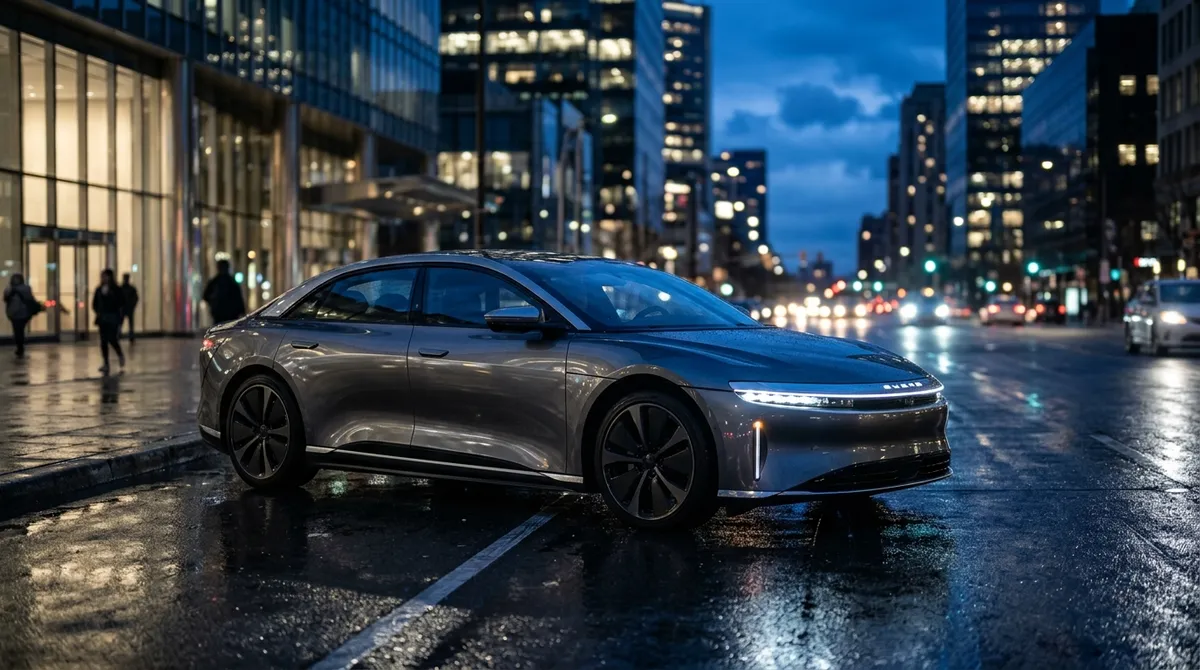
The Xpeng P7's Distinctive Approach to Electric Mobility
According to reports, the Xpeng P7 stands out in today's competitive automotive landscape as a vehicle that uniquely combines style with innovation. This electric sedan represents Xpeng's vision for modern cars, positioning itself as a noteworthy entry in the evolving electric vehicle market.
Design Philosophy Meets Modern Innovation
The Xpeng P7 reportedly embodies a design philosophy that prioritizes both aesthetic appeal and technological advancement. In an era where electric vehicles are increasingly becoming mainstream, the P7's approach to blending style with innovation appears to set it apart from conventional offerings in the market.
The vehicle's positioning as a unique blend suggests that Xpeng has focused on creating something that doesn't compromise between form and function. This approach reflects broader trends in the automotive industry where manufacturers are working to differentiate their electric offerings through distinctive design languages and innovative features.
Market Context and Industry Significance
Within the context of modern cars, the Xpeng P7's emphasis on style and innovation represents the brand's effort to establish a distinctive identity in the competitive electric vehicle segment. The automotive industry has seen numerous manufacturers attempting to balance aesthetic appeal with technological capabilities, and the P7 appears to be Xpeng's answer to this challenge.
The sedan's characterization as offering a unique blend indicates that it may appeal to consumers who are looking for electric vehicles that don't sacrifice style for technological advancement, or vice versa. This positioning could be particularly relevant as the electric vehicle market continues to mature and consumers become more discerning about their choices.
Innovation in the Electric Vehicle Landscape
The emphasis on innovation in the P7's design approach reflects broader industry trends where electric vehicle manufacturers are pushing boundaries to create vehicles that offer more than just environmental benefits. According to available information, the P7 represents Xpeng's commitment to advancing both the aesthetic and technological aspects of electric mobility.
This focus on innovation aligns with consumer expectations in the modern automotive market, where buyers increasingly expect vehicles to offer cutting-edge technology alongside appealing design. The P7's positioning suggests that Xpeng recognizes these market demands and has developed the vehicle accordingly.
Style as a Differentiator
In the competitive electric vehicle market, style has become an increasingly important differentiator. The Xpeng P7's emphasis on combining style with innovation suggests that the manufacturer understands the importance of visual appeal in attracting consumers to electric vehicles.
The focus on style indicates that Xpeng may be targeting consumers who view their vehicle choice as an extension of their personal aesthetic preferences. This approach recognizes that modern car buyers, particularly in the electric vehicle segment, often consider design elements alongside performance and environmental considerations.
Looking Forward in Electric Mobility
The Xpeng P7's characterization as a unique blend of style and innovation positions it within the broader evolution of modern cars. As the automotive industry continues to shift toward electric mobility, vehicles like the P7 represent attempts to redefine what consumers can expect from electric sedans.
The emphasis on both style and innovation suggests that Xpeng is positioning the P7 for consumers who refuse to compromise on either aesthetic appeal or technological advancement. This approach may indicate the direction that other manufacturers might follow as the electric vehicle market becomes increasingly competitive and sophisticated.
According to reports, the P7 represents Xpeng's vision for how modern cars can successfully integrate style with innovation, potentially setting new standards for what consumers expect from electric vehicles in terms of both design and technological capability.