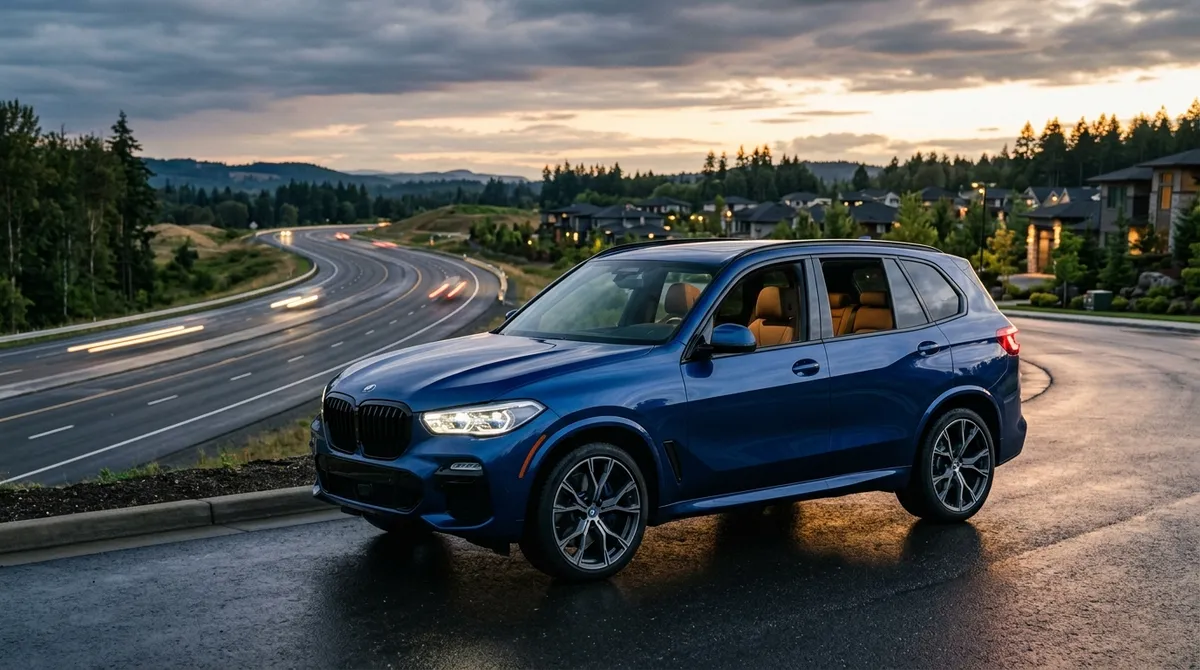
The New Era of High-Performance Family Haulers
Family SUVs are no longer just about hauling kids and cargo. According to recent automotive industry reports, automakers are increasingly transforming three-row family vehicles into high-performance flagships that deliver sports-car acceleration without sacrificing practicality.
The trend reflects changing consumer demands, as buyers seek one vehicle capable of handling school runs, road trips, serious towing, and weekend thrills. This evolution has created a compelling category of SUVs that combine passenger capacity with serious horsepower.
Top Performers Leading the Pack
Among the standout models making waves in 2026, several SUVs are redefining what family transportation can be:
The BMW Alpina XB7 tops the power charts with an impressive 631 horsepower, proving that luxury and performance can coexist in a family-friendly package. This represents the pinnacle of what's possible when engineering meets family practicality.
Land Rover contributes two compelling options to the high-performance family segment. The Range Rover Sport P550e delivers 543 horsepower through its hybrid powertrain, while the Defender 110 V8 provides 518 horsepower for families who need both capability and excitement.
Mercedes-Benz also makes a strong showing with two distinct approaches. The traditional GLE 580 produces 510 horsepower, while the electric EQS 550 generates 536 horsepower, demonstrating how electrification is reshaping the performance SUV landscape.
The Hybrid and Electric Revolution
A significant development in this space involves the integration of hybrid and electric powertrains. These technologies are enabling automakers to deliver sports-car-level acceleration while potentially improving efficiency compared to traditional gas engines.
The presence of both hybrid models like the Range Rover Sport P550e and fully electric options like the Mercedes EQS 550 indicates that high-performance family SUVs are embracing electrification as a path to increased power and instant torque delivery.
Beyond Pure Power Numbers
While horsepower figures grab headlines, these vehicles represent a broader shift in automotive priorities. Modern families want vehicles that can excel in multiple roles without compromise. The challenge for manufacturers is creating SUVs that maintain three-row seating, substantial towing capacity, and real-world comfort while delivering thrilling performance.
This trend suggests that the days of choosing between practical family transportation and driving excitement are ending. Instead, buyers can access vehicles that provide both morning school drop-offs and weekend track day capabilities.
Market Implications
The emergence of high-performance family SUVs reflects several important market trends. Consumer expectations have evolved beyond basic transportation needs, with buyers increasingly willing to invest in vehicles that excel across multiple use cases.
Additionally, the inclusion of both traditional powertrains and electrified options suggests manufacturers are hedging their bets, offering performance-oriented families choices regardless of their fuel preference.
Looking Ahead
As automakers continue developing these high-performance family haulers, the category appears poised for further growth. The combination of advancing powertrain technology, evolving consumer preferences, and the practical appeal of having one vehicle handle multiple roles creates a compelling market opportunity.
For families considering their next vehicle purchase, these powerful SUVs represent an interesting alternative to traditional luxury sedans or separate performance cars. They offer the possibility of consolidating multiple vehicle needs into one capable, exciting package that doesn't require sacrificing either performance or practicality.
The 12 family SUVs highlighted in recent automotive coverage demonstrate that serious power and family functionality are no longer mutually exclusive concepts in modern vehicle design.