Tesla Hits 325kW Charging Ceiling
According to reports, Tesla is currently unable to exceed 325kW charging power output, representing a potential limitation in the company's fast-charging capabilities. This power threshold appears to be a technical barrier that the electric vehicle manufacturer has yet to overcome.
BP Surpasses Tesla's Charging Performance
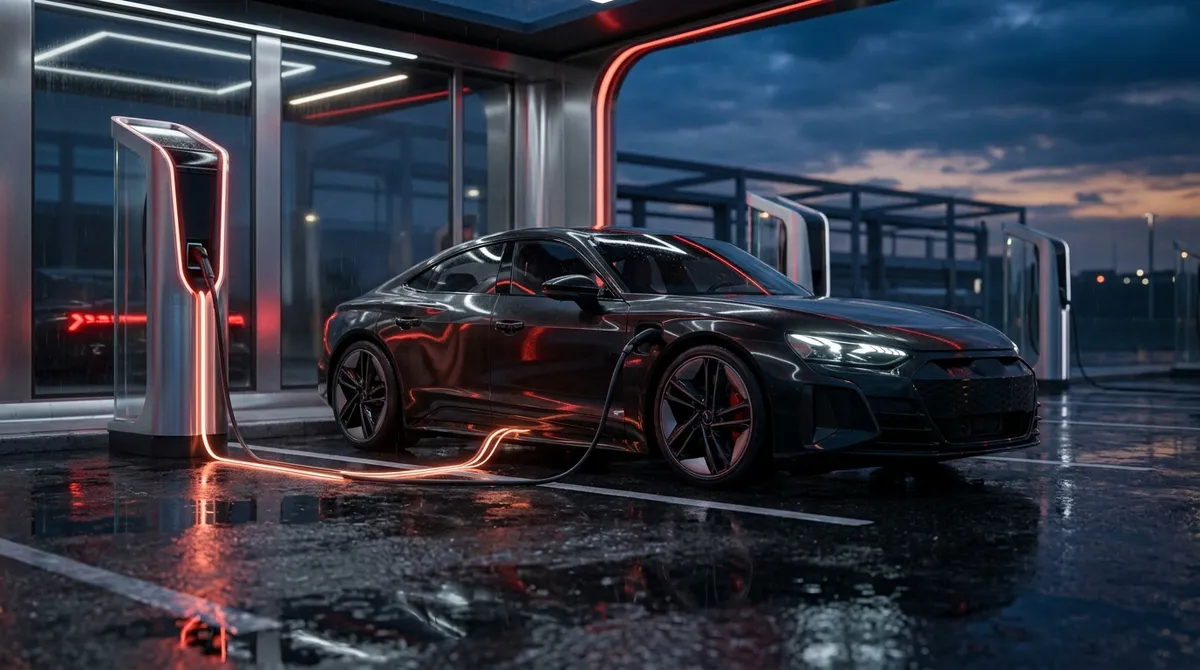
Meanwhile, energy giant BP has reportedly achieved charging power levels that exceed Tesla's current 325kW limit. This development positions BP as a competitive force in the high-speed EV charging market, potentially offering faster charging solutions than what Tesla's Supercharger network currently provides.
The ability to deliver higher charging power represents a significant advantage in the electric vehicle charging infrastructure race, as faster charging times remain a key factor in EV adoption rates.
GM's 2025 Charging Infrastructure Ambitions
General Motors appears to be focusing on maintaining and expanding its charging capabilities with specific goals set for 2025. According to reports, the automaker hopes to sustain its charging infrastructure momentum through the coming year.
GM's commitment to charging infrastructure development reflects the broader industry trend toward building comprehensive EV charging networks to support the growing electric vehicle market.
Industry Implications
The charging power limitations facing Tesla, combined with BP's superior performance capabilities, highlight the evolving competitive landscape in EV charging infrastructure. As traditional energy companies like BP invest heavily in electric vehicle charging technology, they're positioning themselves as formidable competitors to Tesla's established Supercharger network.
For electric vehicle drivers, these developments could mean access to faster charging options from non-Tesla providers, potentially reducing charging times and improving the overall EV ownership experience.
The 2025 Charging Landscape
With GM's strategic focus on maintaining its charging infrastructure presence and BP's demonstrated ability to exceed Tesla's power output, 2025 could mark a significant shift in the EV charging market dynamics. The competition between automakers and energy companies in this space is likely to benefit consumers through improved charging speeds and expanded network availability.
These developments underscore the critical importance of charging infrastructure in the broader electric vehicle ecosystem, as companies compete not just on vehicle performance but on the supporting infrastructure that makes EV ownership practical for mainstream consumers.