Compact Living Redefined
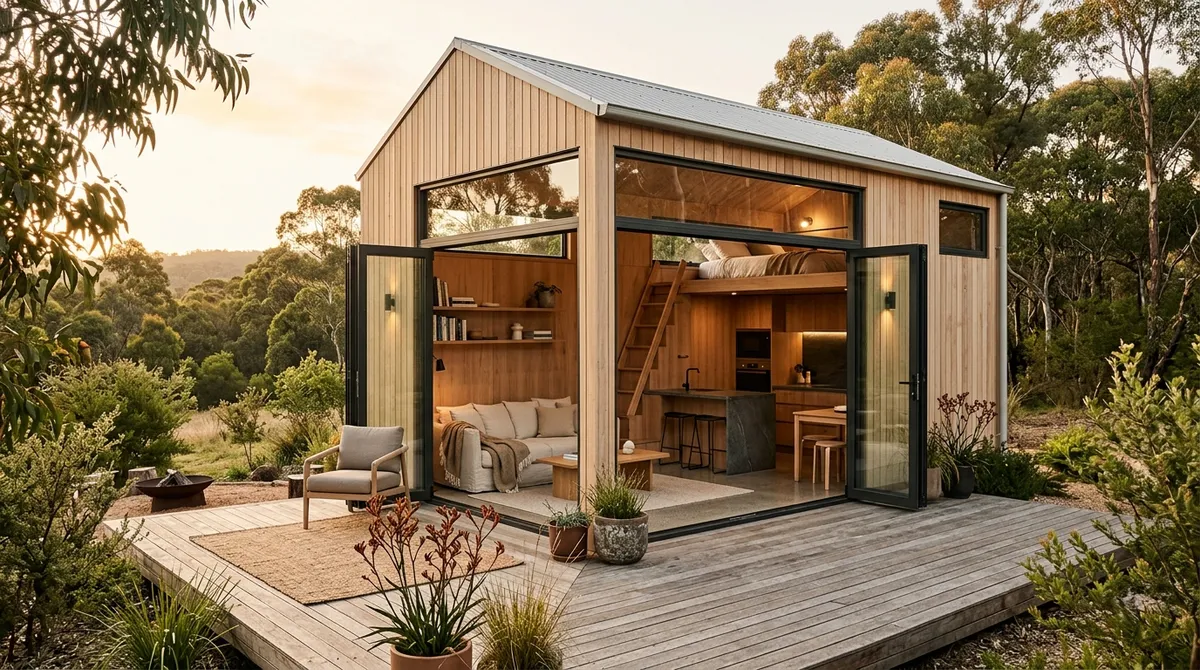
As housing costs continue to climb globally and sustainability concerns grow, an Australian tiny house is capturing attention for demonstrating how thoughtful design can deliver mansion-level comfort and functionality within a dramatically smaller footprint.
According to reports, this pint-sized dwelling showcases strategic architectural choices that maximize livability without compromising on style or ease of living. The home serves as a compelling real-world example of how well-designed small spaces can offer viable alternatives to traditional housing solutions.
The Power of Strategic Design
The key to this tiny house's success lies in its approach to layout and indoor-outdoor connectivity. Reports indicate that the home uses specific design strategies to create the illusion of space while maintaining practical functionality for daily living.
What appears from the outside like a compact structure transforms into a surprisingly livable space through clever architectural decisions. The design emphasizes flow between interior and exterior areas, effectively extending the usable living space beyond the home's physical walls.
Growing Interest in Alternative Housing
This Australian example comes at a time when tiny house interest continues to surge worldwide. As traditional housing becomes increasingly unaffordable for many, alternative living solutions are gaining traction among those seeking both financial relief and reduced environmental impact.
The timing of this showcase is particularly relevant as more people explore downsizing options and sustainable living practices. According to reports, the home demonstrates that choosing smaller doesn't necessarily mean sacrificing comfort or quality of life.
Design Principles Worth Studying
The success of this tiny house offers valuable lessons for anyone interested in maximizing small spaces. Reports suggest the home employs multiple design principles that could be applied to various living situations, from tiny houses to small apartments and renovation projects.
These strategies appear to focus on creating multi-use zones, optimizing storage solutions, and establishing seamless flow between different areas of the home. The indoor-outdoor connectivity plays a particularly crucial role in making the space feel larger and more connected to its environment.
Real-World Application
What sets this Australian tiny house apart is its practical demonstration of how compact living can work in reality. Rather than just theoretical concepts, the home provides tangible evidence that well-executed small-space design can deliver genuine comfort and functionality.
The project highlights the ongoing evolution in tiny house design, moving beyond basic shelter to create spaces that truly rival traditional homes in terms of livability and comfort.
Market Context and Future Implications
As the tiny house movement continues to mature, examples like this Australian home become increasingly important for demonstrating the viability of alternative housing solutions. The success of such projects may influence broader conversations about housing affordability and sustainable development.
Reports indicate that this home's approach to combining compact footprint with mansion-level comfort could serve as a model for future tiny house developments and small-space design projects.
Looking Forward
This Australian tiny house represents more than just clever architecture—it embodies a growing movement toward intentional living and sustainable housing solutions. As housing challenges persist globally, such examples provide hope and practical guidance for those seeking alternatives to conventional homeownership.
The home's success in achieving comfort and functionality within a compact space offers valuable insights for the broader housing industry and individuals considering their own living situations in an era of rising costs and environmental consciousness.