Alternative Vision for Honda's Comeback Sports Car
The automotive design community continues to buzz around Honda's decision to revive the Prelude nameplate after a 27-year absence. Now, designer Mike G. from mike.g.concepts has thrown his hat into the ring with a custom CGI reimagining that takes a dramatically different approach from Honda's official design direction.
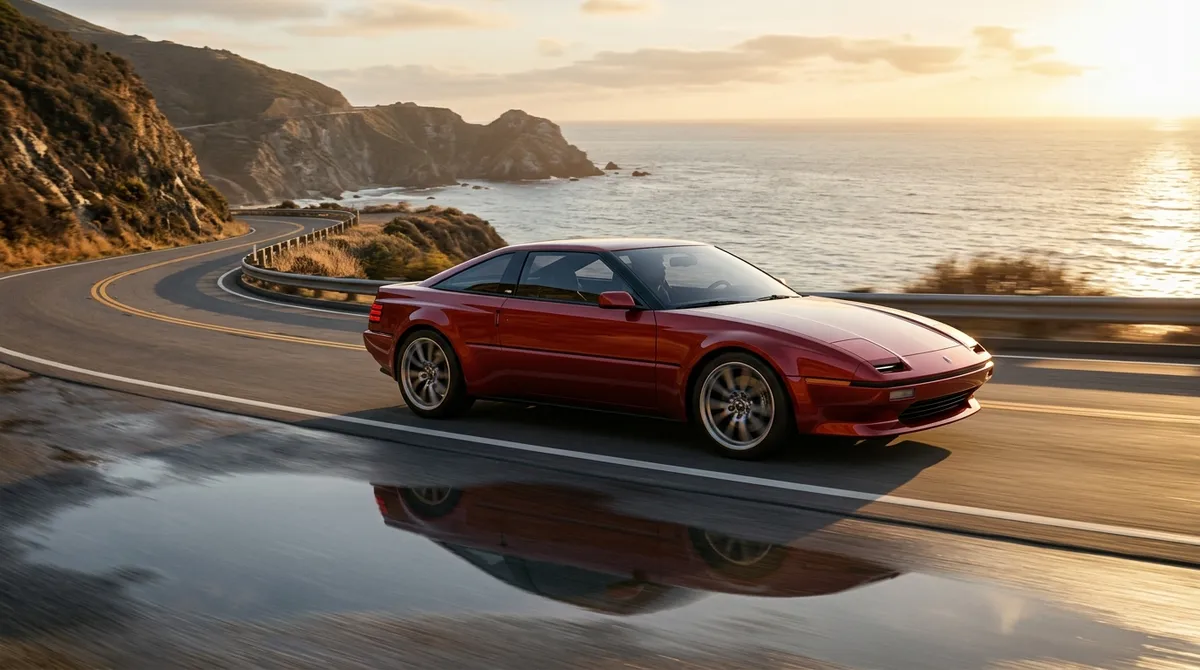
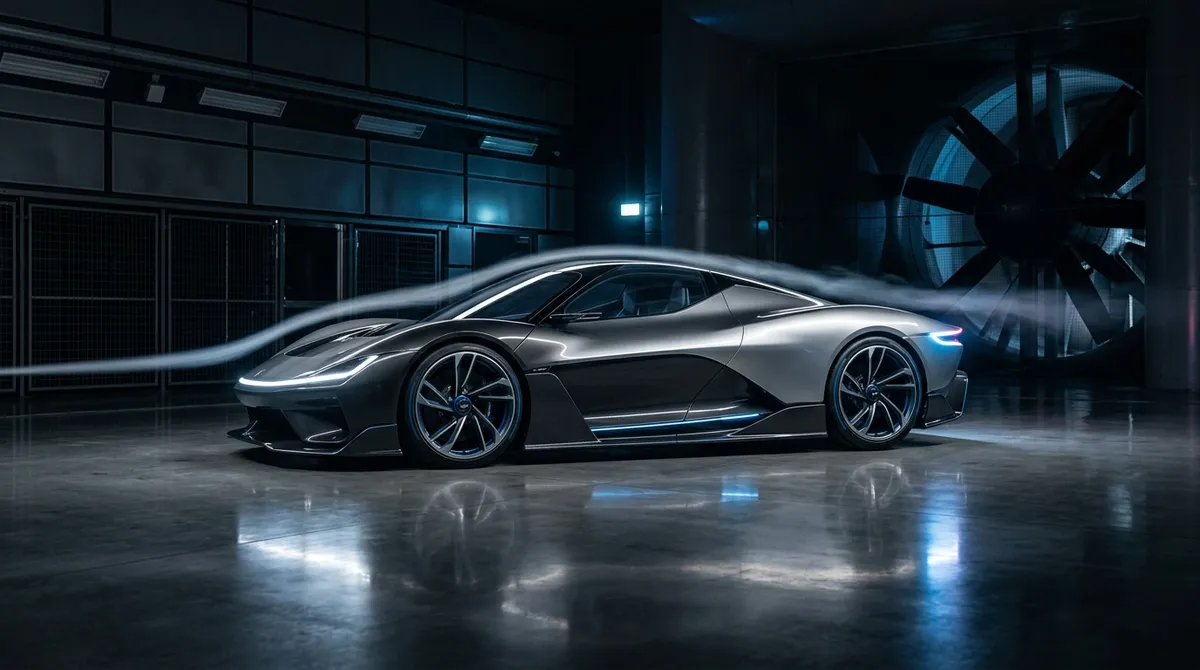
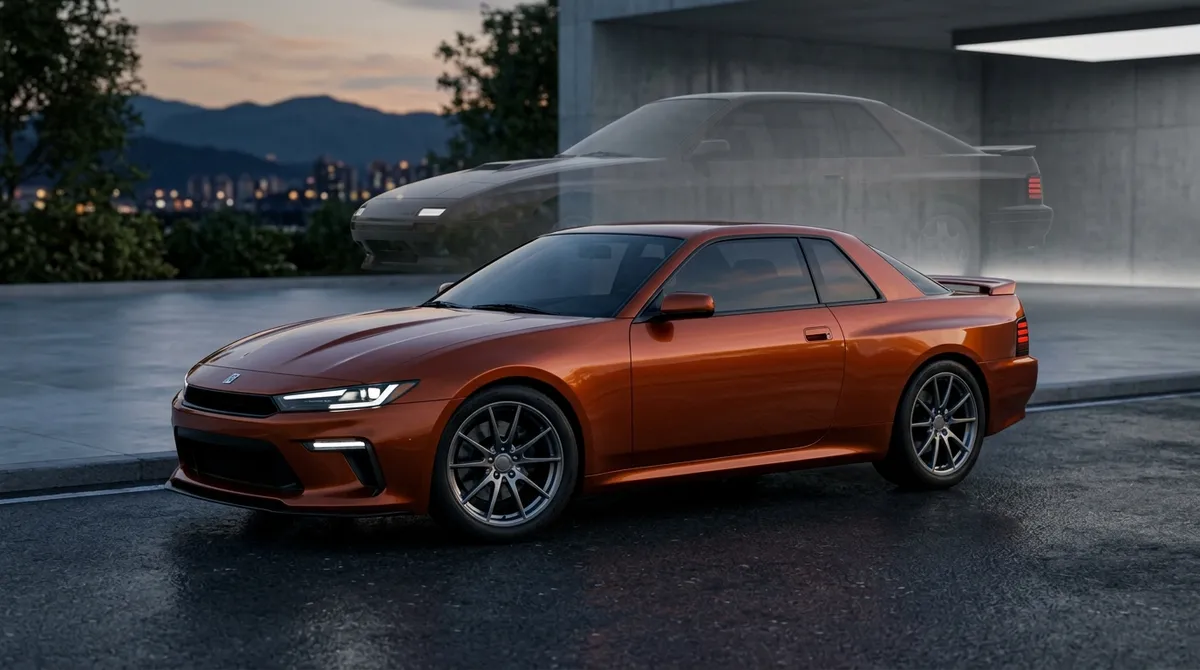
According to reports, Mike G.'s concept abandons Honda's current modern design language in favor of a retro-inspired aesthetic that blends classic styling cues with contemporary proportions. The designer, who leads the 'mike.g.concepts' design studio described as being "fueled by adrenaline and innovation," has reworked the brand-new Honda Prelude into something distinctly different from the official version.
When Nostalgia Meets Modern Design
The concept represents an interesting case study in how legacy nameplates can balance heritage with contemporary styling. Rather than following Honda's current design philosophy, Mike G.'s interpretation draws heavily from retro elements while maintaining modern proportions that reflect today's automotive standards.
This approach highlights the ongoing tension within the automotive community between embracing nostalgic design cues and pushing forward with innovative, future-focused aesthetics. The Prelude's return has sparked significant conversation around this exact dilemma – how should automakers handle beloved nameplates that carry decades of emotional weight?
The Rise of Fan-Created Automotive Design
Mike G.'s Prelude concept is part of a larger trend of designers and enthusiasts creating custom CGI renderings that reimagine both current and upcoming vehicles. These digital creations have become a powerful form of fan expression and design commentary, allowing creators to explore alternative directions that manufacturers didn't pursue.
The automotive community's engagement with these custom renderings reveals much about fan expectations and desires for revived nameplates. When a beloved car returns after nearly three decades, enthusiasts often have strong opinions about how it should look and feel.
Design Philosophy Clash
The contrast between Honda's official Prelude direction and Mike G.'s retro-modern concept illustrates the challenging decisions automakers face when reviving classic nameplates. Should they stay true to the original's design DNA, embrace contemporary styling trends, or find some middle ground that satisfies both nostalgic fans and new buyers?
Mike G.'s interpretation suggests there's appetite for a more heritage-focused approach, one that celebrates the Prelude's classic proportions and styling themes while updating them for modern sensibilities. The specific retro design elements incorporated into the concept demonstrate how classic automotive design can be reinterpreted through today's digital design tools.
Impact on Automotive Design Discourse
These fan-created concepts serve an important role in the broader automotive design conversation. They provide alternative visions that can influence both public opinion and potentially even manufacturer decisions. While automakers have their own design teams and market research, the passionate response to custom renderings like Mike G.'s Prelude concept shows the value of community input in the design process.
The engagement these concepts generate also reveals how deeply automotive enthusiasts connect with design, especially when it comes to cars that hold special places in automotive history. The Prelude's 27-year absence has only intensified these emotional connections.
Looking Forward
As the automotive industry continues to evolve, the role of custom CGI concepts and fan redesigns will likely grow. These digital explorations allow designers like Mike G. to push boundaries and explore directions that might not be commercially viable but can still capture imaginations and spark important conversations about automotive design philosophy.
The Honda Prelude's return provides a perfect canvas for these explorations, representing both the challenges and opportunities that come with reviving beloved automotive nameplates in an era where design, technology, and consumer expectations have all dramatically evolved.